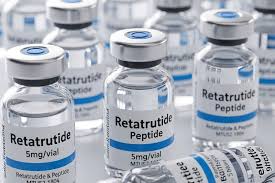
Metabolic procurement rarely involves a single-molecule decision. Scientists and laboratory staff evaluate multiple options simultaneously, weighing molecular profiles, study relevance, and supplier availability before committing. GLP-1 class peptides have drawn considerable attention over recent years, pushing procurement toward more structured comparison processes. Within that context, full retatrutide guide resources have seen increased search volume as scientists seek detailed molecule-specific data before finalising choices.
Where this peptide sits relative to others in its class shapes how purchasing decisions get structured. Cost per milligram, purity documentation, and storage requirements all factor into whether it gets prioritised alongside or above other GLP-1 options in any given laboratory order. Supplier selection and molecule selection are typically evaluated together rather than sequentially.
Receptor profile and prioritisation
Triple receptor agonism separates this molecule from single or dual-action alternatives. Scientists comparing GLP-1 class options weigh mechanism breadth against study objectives, and that evaluation directly influences order composition.
Semaglutide targets one receptor pathway. Tirzepatide adds GIP action. This peptide extends further, incorporating glucagon receptor activity into its profile. That distinction shapes procurement in specific ways:
- Which protocols justify the inclusion of higher-cost triple agonists
- How do the dosing windows get mapped across parallel molecule use
- Whether narrower alternatives cover study needs adequately
- Budget allocation across a broader panel of selected molecules
Documentation expectations vary widely.
Verification standards differ noticeably across GLP-1 class options. Scientists who have sourced established molecules previously arrive with baseline expectations already formed. Newer options face higher scrutiny because independent purity data is still accumulating across supplier catalogues, and buyers treat gaps in that data as a signal to wait.
Certificate of analysis formats have grown more format-specific than those applied to older, better-documented molecules. Batch-specific high-performance liquid chromatography data is now requested more frequently than general figures. That shift reflects how seriously laboratory procurement teams treat quality verification when newer peptides enter their consideration set.
Multi-molecule order structure
Laboratory orders rarely consist of one item. Staff constructing multi-molecule orders weigh how individual peptides interact within storage environments, whether vial formats align across selected items, and how supplier catalogues cover full lists without requiring multiple vendor relationships. When catalogue gaps exist, order timelines extend, and study scheduling adjusts accordingly.
This molecule fits into broader orders differently depending on the study scope. Short-duration work may pair it with one complementary option. Extended panels sometimes include three or four items ordered simultaneously, where supplier depth and batch consistency carry more weight than individual item pricing. Vendors get evaluated on catalogue breadth across full orders rather than cost on any single item alone. Scientists who structure procurement this way encounter fewer mid-study sourcing variables, which is a practical consideration during protocol planning.
Procurement decisions around GLP-1 class peptides have grown more structured as newer molecules enter circulation. Mechanism comparison, verification standards, and order composition play distinct roles in how choices get finalised. Based on the study scope, documentation, and how its receptor profile aligns with objectives, this molecule will fit. Early mapping of these variables results in greater clarity and fewer revisions during supplier selection.