
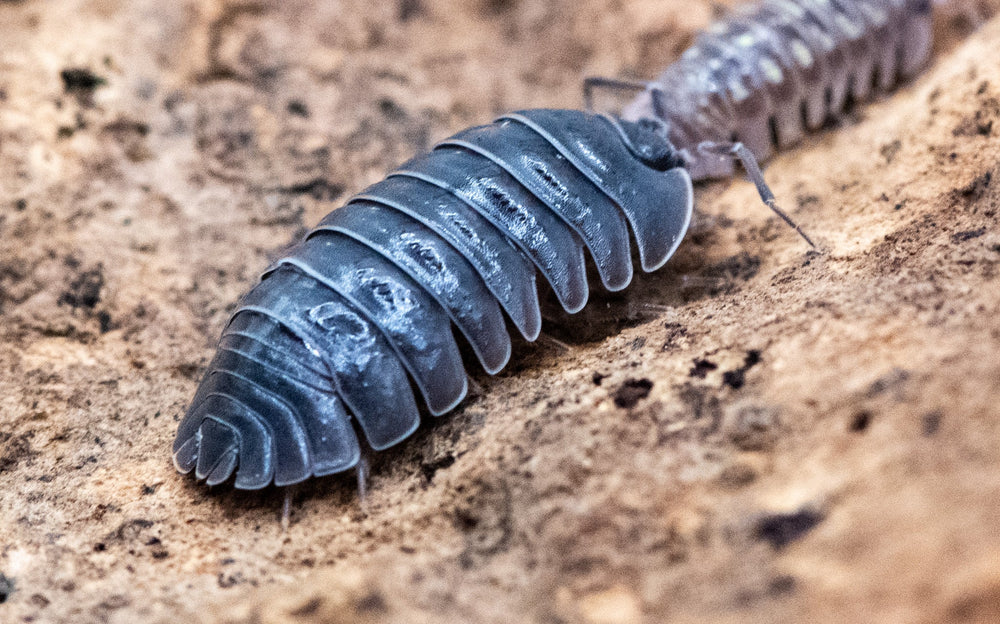
Woodlice are small creatures that play a useful role in breaking down dead plant matter. Their growth follows clear stages that depend on suitable surroundings and steady moisture. Each isopod begins life as a tiny young creature before developing into an adult. PostPods helps readers understand these changes through practical care knowledge. Learning about their development makes it easier to recognise normal growth patterns and provide suitable conditions for healthy living throughout their lives.
What Starts Their Early Development?
Young woodlice develop inside eggs carried within a special pouch on the female. This protected space supports early growth until the offspring emerge.
How Do Young Woodlice Appear?
Newly emerged woodlice look like smaller versions of adults. They have fewer body segments fully developed and need suitable moisture to remain active.
How Can Daily Observation Reveal Changes?
Regular checks help identify growth patterns without disturbing the animals. Look for these useful signs:
- Increased body size over time.
- Fresh outer coverings after moulting.
- Normal movement around the enclosure.
- Regular use of hiding spaces.
- Active behaviour under suitable conditions.
What Marks Their Adult Stage?
Mature woodlice have fully developed bodies and can reproduce. Their size depends on the species, along with suitable surroundings and available shelter.
Which Conditions Encourage Steady Growth?
Suitable surroundings support healthy development. Keep these important needs in mind:
- Maintain a consistently damp substrate without flooding it.
- Provide leaf litter and natural hiding places.
- Ensure airflow to prevent excessive dampness.
- Avoid frequent disturbance during moulting.
- Check the enclosure regularly for unusual changes.
How Does Moulting Affect Their Progress?
Moulting is essential for growth because the outer shell cannot expand continuously. During this period, woodlice may hide more often. Allowing them enough space reduces unnecessary disturbance while their new covering becomes firmer.
What Influences Their Overall Lifespan?
Species type and living conditions influence longevity. Readers wondering how long do isopods live should understand that some species survive for months while others may live several years. Moisture levels and protection also affect survival.
How Can Keepers Encourage Healthy Development?
Understanding each stage helps keepers make better decisions. PostPods encourages informed observation, appropriate habitat care and consistent checks. These simple practices support healthy development while helping readers recognise when environmental conditions need improvement.
Successful woodlice care depends on careful observation and suitable surroundings. Recognising each developmental stage helps keepers respond to changing needs. Maintain appropriate moisture, provide shelter and allow natural moulting to occur without disturbance. These practical steps offer a reliable way to support long-term survival and understand the gradual changes that shape a woodlouse throughout its life.