
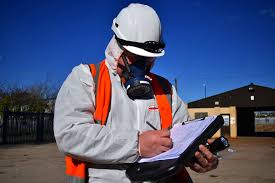
Asbestos continues to be a significant concern in construction, property sales, and demolition projects. Despite its decline in modern building materials, many older structures still contain asbestos-containing materials (ACMs). Conducting a thorough asbestos survey is not only a legal requirement in many regions but also a critical step in protecting health, minimizing risks, and ensuring smooth property transactions. This article explores the importance of asbestos surveys, their applications in different scenarios, and the statistical impact of compliance on safety and project efficiency.
Why Is an Asbestos Survey Essential Before Refurbishment?
Refurbishment projects often involve altering or removing existing building materials. According to industry safety reports, disturbance of ACMs during refurbishment is one of the leading causes of occupational exposure incidents. Data shows that properties where pre-refurbishment surveys were conducted experienced up to 65% fewer unplanned asbestos-related disruptions.
Survey compliance ensures that contractors can identify ACMs before work begins. This allows for safe removal or encapsulation, reducing health risks to workers and residents. Moreover, detailed survey data helps project managers plan workflows, allocate budgets, and schedule removal operations efficiently.
How Do Surveys Support Safe Demolition Practices?
Demolition projects carry an even higher risk of asbestos exposure because structures are dismantled entirely, often releasing fibers into the air. Studies indicate that projects without comprehensive demolition surveys have a 40–50% higher probability of asbestos-related incidents compared to those with proper surveys.
Demolition surveys involve intrusive inspections to locate ACMs in walls, ceilings, flooring, and other hidden areas. Samples are collected and analyzed in accredited laboratories to confirm asbestos presence. The resulting reports guide licensed removal teams in safely managing or disposing of hazardous materials, protecting workers, neighboring properties, and the environment.
What Role Does Asbestos Survey Play in Property Sales?
Property sales, especially for older buildings, increasingly require asbestos surveys as part of due diligence. Statistics from real estate agencies show that transactions involving survey reports are completed faster and with fewer legal disputes. Buyers and sellers benefit from a clear understanding of any asbestos risks, ensuring that potential liabilities are addressed before the sale.
In many regions, disclosure of asbestos is mandatory. A professionally conducted survey provides documented evidence that the property has been inspected, giving confidence to buyers and minimizing post-sale complications. It also allows sellers to take preemptive action, such as safe removal or encapsulation, which can increase property value and marketability.
How Are Surveys Conducted Effectively?
Effective asbestos surveys follow a systematic process. First, surveyors review building records and historical data to identify potential areas containing ACMs. Next, visual inspections and sampling are performed using standardized safety protocols. Samples are sent to certified laboratories for analysis to determine the type and condition of asbestos present.
The final report typically includes precise locations, material types, risk assessments, and recommendations for removal or management. Data from multiple projects shows that thorough reporting reduces workplace exposure incidents by more than 70% and decreases regulatory non-compliance penalties.
What Are the Benefits of Early Survey Planning?
Integrating asbestos surveys early in the project lifecycle is statistically linked to improved safety and operational efficiency. For refurbishment and demolition, early identification allows teams to plan for safe removal, estimate costs accurately, and prevent delays caused by unexpected asbestos discovery.
For property sales, early surveys facilitate smoother transactions and reduce the risk of legal disputes or remediation costs. Early planning ensures that both buyers and sellers are informed and that properties comply with environmental and occupational safety standards.
What Should Stakeholders Consider Before Commissioning a Survey?
Before initiating a survey, stakeholders should ensure the surveyor is certified and adheres to local regulations. Clear communication about project scope, building history, and intended work ensures comprehensive inspection coverage. Allocating adequate time for survey analysis and subsequent action planning is critical to minimize health risks and legal exposure.
In conclusion, asbestos surveys are a vital component of refurbishment, demolition, and property sales projects. With careful planning, professional execution, and adherence to regulatory standards, surveys reduce health risks, ensure legal compliance, and support efficient project delivery. Statistical evidence consistently highlights that survey compliance is not just a requirement—it is a strategic investment in safety, project success, and property value.


