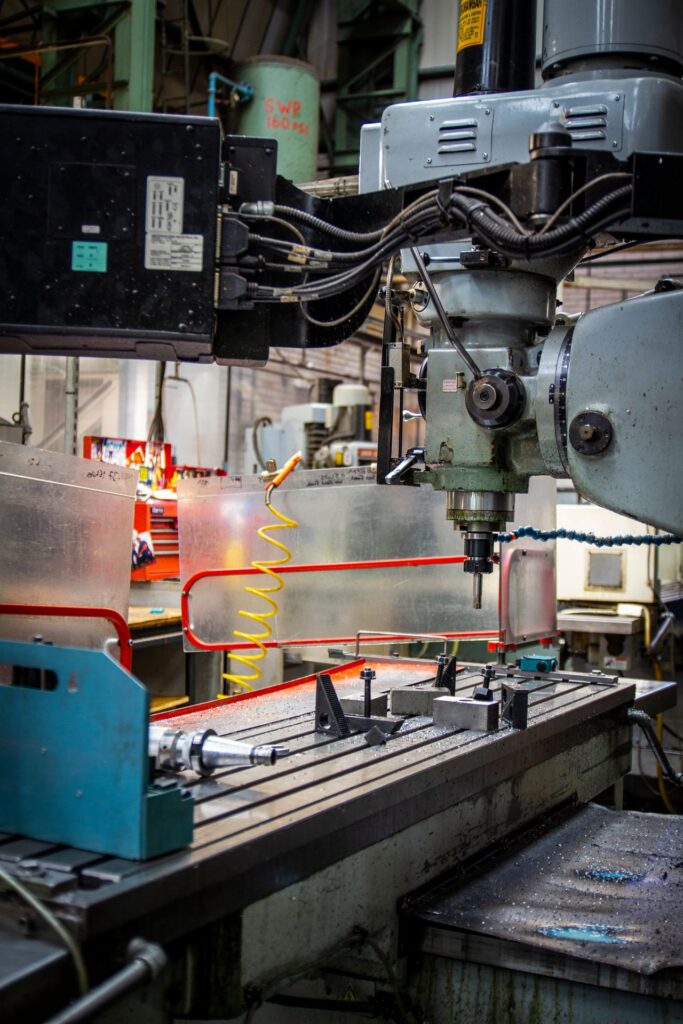
Modern manufacturing innovation depends not only on advanced equipment and engineering knowledge but also on the ability to communicate ideas, evaluate information, and encourage continuous learning. Audrey Saylor brings a distinctive perspective to this environment through a professional background that combines education with extensive experience in engineering and manufacturing. This combination creates an approach where innovation is viewed as both a technical opportunity and a learning process, helping teams connect new ideas with practical applications, measurable improvements, and long-term manufacturing objectives.
Contents
- The Value of an Educational Mindset in Manufacturing
- Connecting Learning With Engineering Practice
- How Experience Shapes Innovation
- Encouraging Continuous Improvement
- Making Technical Knowledge More Accessible
- Supporting Innovation Through Collaboration
- Measuring the Impact of Manufacturing Innovation
- Building a Future-Focused Manufacturing Culture
- Conclusion
The Value of an Educational Mindset in Manufacturing
Education develops skills that can be highly valuable in technical industries. Explaining complex concepts clearly, asking thoughtful questions, evaluating information, and adapting communication to different audiences are all useful abilities within manufacturing environments.
An educational perspective can encourage teams to understand not only what a new process or technology does, but also why it matters. This deeper understanding can support better collaboration between engineering, production, and business teams.
Connecting Learning With Engineering Practice
Manufacturing innovation often involves applying technical knowledge to real production challenges. An educator’s approach can strengthen this process by encouraging professionals to examine problems from multiple perspectives.
Instead of immediately focusing on a solution, teams can evaluate the underlying requirements, available resources, expected performance, and potential improvements. This structured way of thinking can lead to more thoughtful engineering decisions and stronger product development outcomes.
How Experience Shapes Innovation
Practical manufacturing experience adds an important dimension to an educational perspective. Knowledge gained through production environments can help professionals understand which ideas are realistic, scalable, and valuable.
The professional context associated with Audrey Saylor South Dakota reflects a career connection between education and manufacturing, demonstrating how knowledge from different fields can contribute to a broader approach to industrial innovation. Combining teaching experience with engineering awareness can encourage professionals to explain technical challenges clearly while remaining focused on practical results.
Encouraging Continuous Improvement
Innovation is most effective when it becomes part of an organization’s ongoing culture. An educational mindset naturally supports continuous learning because it encourages people to review existing knowledge and remain open to new information.
Manufacturing teams can apply this approach by regularly evaluating production processes, studying performance results, and discussing opportunities for refinement. Small improvements made consistently can contribute significantly to long-term operational progress.
Making Technical Knowledge More Accessible
Manufacturing involves specialized concepts related to materials, fabrication, engineering design, machinery, quality control, and production management. Clear communication helps ensure that knowledge does not remain limited to one department.
When technical information is explained in practical language, employees across different functions can better understand how their work contributes to the overall manufacturing process. This can strengthen collaboration and create greater alignment around shared objectives.
Supporting Innovation Through Collaboration
Innovation rarely develops in isolation. Engineers may provide technical concepts, production professionals can contribute hands-on observations, and business teams can offer insight into market requirements.
An educator’s perspective can help connect these viewpoints by encouraging discussion and knowledge sharing. When different areas of expertise are brought together, organizations can evaluate ideas more thoroughly and discover opportunities that may not be visible from a single perspective.
Measuring the Impact of Manufacturing Innovation
A strong innovation strategy should produce measurable improvements. Organizations can examine factors such as production consistency, product quality, material utilization, efficiency, and development outcomes to understand whether a new approach is creating value.
This evidence-based mindset complements the learning process. Results provide information that can guide future decisions and help teams understand which approaches deserve further development.
Building a Future-Focused Manufacturing Culture
The manufacturing industry will continue to evolve as engineering methods, materials, technologies, and customer expectations change. Organizations that support learning and adaptability can be better positioned to respond to these developments.
An educational approach encourages professionals to remain curious, share knowledge, and treat new challenges as opportunities for development. Combined with practical manufacturing experience, this mindset can contribute to a culture of thoughtful and sustainable innovation.
Conclusion
An educator’s perspective can bring valuable qualities to modern manufacturing, including communication, curiosity, structured learning, and continuous improvement. Audrey Saylor represents a professional approach that connects educational experience with engineering and manufacturing knowledge. By making technical ideas easier to understand and encouraging teams to learn from both experience and measurable results, this perspective can support meaningful innovation and help manufacturing organizations build stronger capabilities for the future.
Key Takeaways
- Modern manufacturing innovation requires advanced equipment, engineering knowledge, effective communication, and continuous learning.
- An educational mindset in manufacturing enhances skills such as explaining complex concepts, asking thoughtful questions, and adapting communication for diverse audiences.
- Audrey Saylor’s background in education combined with engineering and manufacturing experience promotes a comprehensive approach to industrial innovation.
- Organizations can achieve continuous improvement by regularly evaluating production processes and fostering a culture of ongoing learning.
- Clear communication of technical knowledge can enhance collaboration across departments, ensuring all employees understand their contributions to the manufacturing process.
- A strong innovation strategy should focus on measurable improvements in production consistency, product quality, efficiency, and development outcomes.