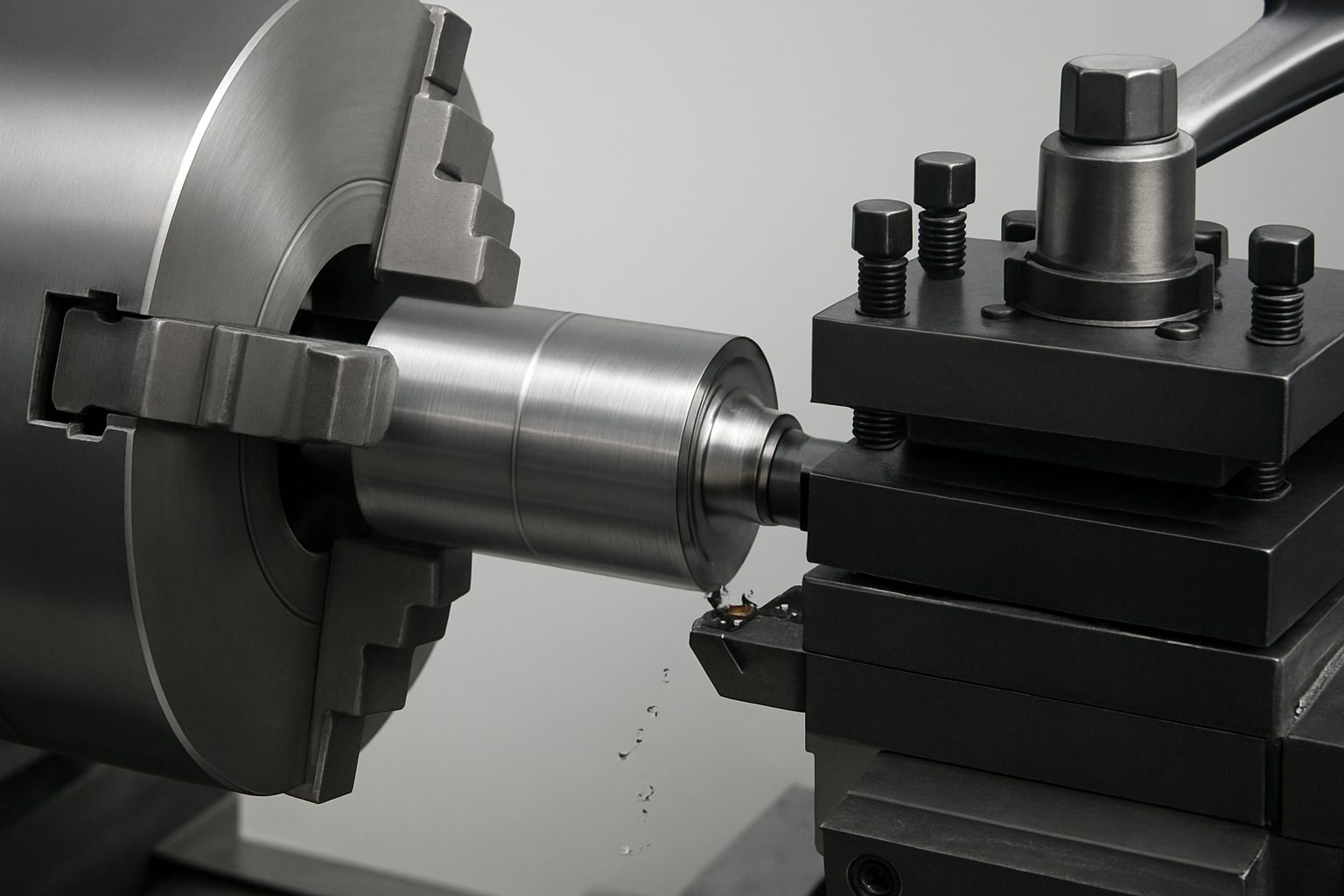
Long-term success in manufacturing rarely comes from a single product decision or short-term opportunity. It is usually built through consistent quality, specialized knowledge, customer understanding, and the ability to adapt while maintaining clear standards. In a niche manufacturing environment, these factors become especially important because expertise and reliability can distinguish a business over many years. Michael Wiese has developed his professional path around this long-term perspective, combining engineering experience with entrepreneurship and a focused approach to specialized metal manufacturing.
Contents
- Why does specialization matter in manufacturing?
- How does consistency contribute to long-term growth?
- What role does engineering play in a sustainable manufacturing strategy?
- How does Michael Wiese South Dakota connect with the broader business story?
- Why is product durability important for long-term manufacturing success?
- How does innovation fit into a long-term strategy?
- How can experience strengthen manufacturing leadership?
- What makes a manufacturing strategy sustainable?
- Conclusion
Why does specialization matter in manufacturing?
A focused manufacturing strategy allows a business to develop deeper knowledge within a particular industry. Instead of spreading resources across unrelated product categories, specialization encourages manufacturers to understand the technical requirements, operating conditions, and expectations associated with their chosen market.
Michael Wiese’s work demonstrates this approach through a long-standing focus on metal slot machine bases for casinos and video lottery operators. This specialization has created an opportunity to refine product knowledge while developing manufacturing capabilities around a clearly defined set of requirements.
How does consistency contribute to long-term growth?
Consistency is one of the most valuable qualities in manufacturing. Customers need confidence that products will meet expected specifications across different production cycles. Achieving this requires careful design, controlled fabrication, appropriate material selection, and attention to quality throughout production.
A consistent manufacturing process can also make future development more efficient. When established methods are reliable, businesses can focus additional resources on improving designs and exploring new opportunities rather than repeatedly solving the same production challenges.
What role does engineering play in a sustainable manufacturing strategy?
Engineering provides a structured foundation for long-term product development. It allows manufacturers to evaluate how materials, dimensions, construction methods, and practical usage interact before committing to production.
This technical perspective supports more informed decisions. Products can be developed with durability and functionality in mind, while manufacturing processes can be evaluated for efficiency and repeatability. Over time, engineering knowledge becomes an important business asset because lessons from previous projects can influence future designs.
How does Michael Wiese South Dakota connect with the broader business story?
The phrase Michael Wiese South Dakota may appear in searches related to his professional background, but the larger story centers on his work as an engineer, entrepreneur, and manufacturer. His career illustrates how a technical foundation can support the development of a focused business over an extended period.
After founding American Engineered Products in 2004, Michael Wiese continued developing specialized metal hardware for gaming environments. The company’s focused product direction reflects a strategy based on understanding a particular market and building expertise within it.
Why is product durability important for long-term manufacturing success?
Durability can influence both customer confidence and product value. Hardware designed for professional environments needs to perform reliably under expected operating conditions, making structural design and material selection important considerations.
For manufacturers, durable products also reflect the quality of the engineering process behind them. When design decisions account for long-term performance, the finished product can provide lasting practical value while supporting a strong reputation for manufacturing expertise.
How does innovation fit into a long-term strategy?
Innovation provides a way for established manufacturers to continue improving without abandoning their core expertise. It can involve new product concepts, refined designs, improved production techniques, or more effective approaches to specific engineering requirements.
Michael Wiese’s three patents demonstrate a history of developing original engineering ideas. This type of innovation can strengthen a specialized manufacturing business by expanding its technical capabilities and creating opportunities for continued product development.
How can experience strengthen manufacturing leadership?
Experience provides knowledge that cannot always be gained from technical specifications alone. Years of involvement with engineering, production, customers, and business operations can reveal patterns that help guide better decisions.
Michael Wiese’s more than two decades of industry experience combine technical understanding with entrepreneurial leadership. This broad perspective can support decisions that consider not only how a product should work but also how it should be manufactured, improved, and positioned for long-term value.
What makes a manufacturing strategy sustainable?
A sustainable manufacturing strategy balances consistency with adaptability. Businesses need reliable processes and clear product standards while remaining prepared to respond to changing customer expectations and industry developments.
This balance encourages continuous improvement without sacrificing the strengths that established a company’s reputation. In specialized manufacturing, maintaining a strong technical foundation while exploring new opportunities can create a practical path toward steady development.
Conclusion
Long-term manufacturing success is built through specialization, engineering discipline, consistent production, innovation, and a commitment to continuous improvement. Michael Wiese represents these principles through his extensive experience in metal manufacturing and casino floor hardware. His professional journey demonstrates how a focused product strategy can develop into lasting expertise when supported by thoughtful engineering and entrepreneurial leadership. By maintaining attention to quality while embracing innovation, specialized manufacturers can create durable products and build a strong foundation for continued growth.
Key Takeaways
- Long-term success in manufacturing relies on consistent quality, specialized knowledge, and the ability to adapt while maintaining clear standards.
- Michael Wiese has focused his career on specialized metal manufacturing for casinos and video lottery operators, illustrating the benefits of concentration within a niche market.
- Consistency in manufacturing processes is crucial, as it builds customer confidence and allows for more efficient future development.
- Engineering serves as a structured foundation for product development, enabling informed decision-making regarding materials and processes for durability and efficiency.
- Durability in manufactured products enhances customer confidence and product value, reflecting the quality of the engineering behind them.
- A sustainable manufacturing strategy demands a balance between consistency and adaptability to meet changing customer needs without sacrificing established strengths.